
A Hidden Side of Cusco Most Travelers Overlook
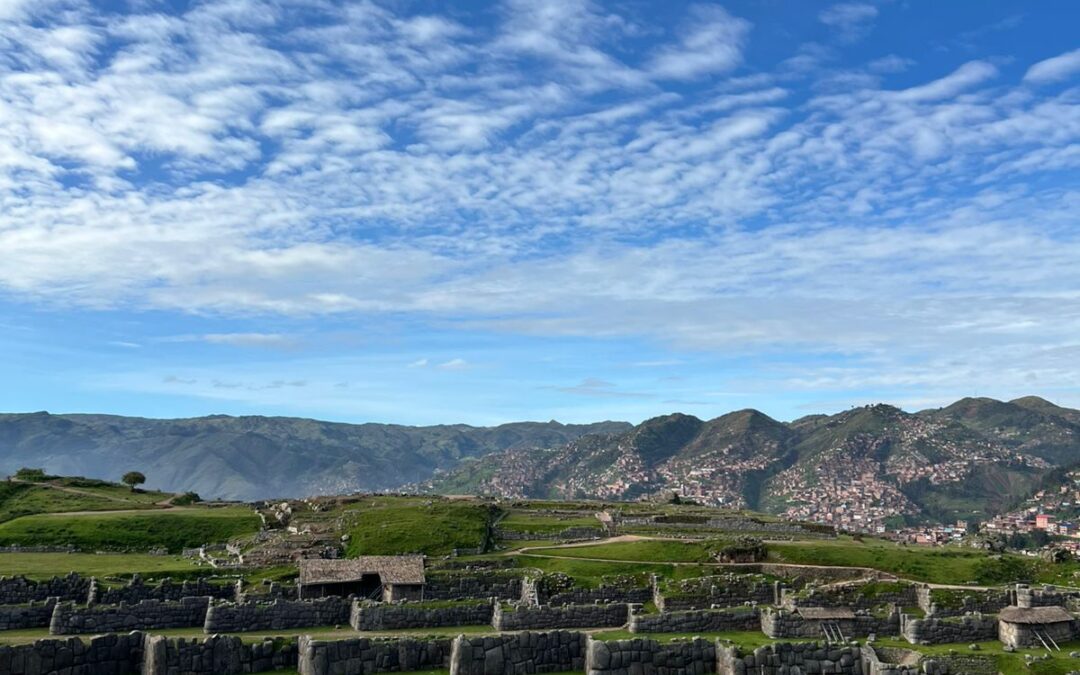
Cusco draws travelers from around the world for Machu Picchu, the Sacred Valley, and the Inca Trail. But just beyond the city lies a lesser-known region that rewards curious travelers with some of the richest cultural and historical diversity in the Andes: the South Valley of Cusco.
A South Valley Cusco tour reveals a sequence of sites unlike anything in the Sacred Valley. In a single day, you can explore:
-
Inca hydraulic engineering at Tipón.
-
Pre-Inca Wari urban planning at Pikillaqta.
-
Masterpieces of Andean-Baroque art at Andahuaylillas.
It’s a journey through more than 1,500 years of history, and remarkably, it remains free of the heavy crowds that pack the Sacred Valley. If you want authentic culture, quiet ruins, and a deeper context for the civilizations that shaped Peru, the South Valley is a must.
Cusco itself — the starting point for a South Valley tour — is a UNESCO World Heritage city, celebrated for its fusion of Inca and colonial architectural traditions. The South Valley extends this narrative even further.
Tipón — A Living Laboratory of Inca Water Engineering
The first major stop on a South Valley Cusco tour is usually Tipón, one of the most impressive feats of hydraulic engineering in the entire Inca Empire.

What Makes Tipón Special?
Tipón is a terraced complex built around natural springs whose waters still flow with remarkable precision today. The Incas constructed:
-
Polished stone canals.
-
Waterfalls.
-
Fountains.
-
Terraces with perfectly graded slopes.
This site is so sophisticated that the American Society of Civil Engineers designated it a masterpiece of ancient hydraulic engineering.
Water still flows year-round through channels carved so precisely they remain watertight centuries later. Many archaeologists believe Tipón functioned both as:
-
A ritual site honoring the importance of water.
-
An experimental agricultural center testing microclimates across terraces.
For a traveler-friendly description, see Peru Travel’s official page on Tipón.
What You’ll Experience
Visitors walk up broad terraces framed by running water, hear the soothing sound of descending fountains, and admire panoramic views of the surrounding valley. It’s not just beautiful — it’s an immersive lesson in Inca engineering excellence.
Pikillaqta — A Pre-Inca Wari City Frozen in Time
After Tipón, your South Valley journey heads deeper into the past — several centuries before the rise of the Inca Empire.
Who Built Pikillaqta?
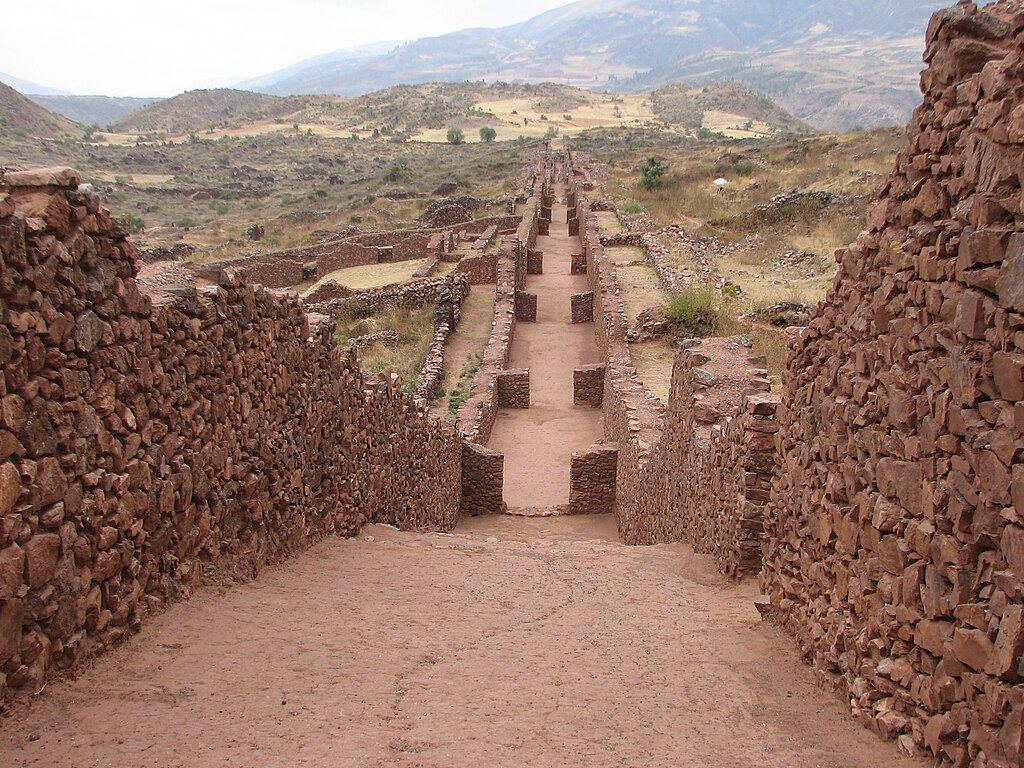
The Wari civilization constructed Pikillaqta (also spelled Pikillacta), one of the most influential pre-Inca cultures in the Andes. The Wari created an empire stretching across much of present-day Peru, building administrative centers, road networks, and planned cities.
The best surviving example of Wari urban design in southern Peru is Pikillaqta.
What You’ll See
As you walk through the vast rectangular complexes, you’ll notice:
-
Long straight streets.
-
Multi-room compounds.
-
Defensive walls.
-
Plazas and ceremonial areas.
The planned layout stands in striking contrast to the organic, terrace-based design typical of Inca settlements.
According to the Cusco Ministry of Culture, Pikillaqta represents the height of Wari regional urban planning and remains one of Peru’s most important pre-Inca archaeological sites.
At its peak, the city may have supported thousands of residents, long before Cusco became the center of the Inca world.
Why It’s Worth Visiting
Few visitors to Cusco even know about Pikillaqta. Yet for those interested in ancient civilizations, it provides invaluable context:
-
You can see what the Incas inherited and adapted from earlier cultures
-
You can explore a city with a completely different architectural logic
-
You gain a deeper appreciation for how the Andes evolved over millennia
This contrast is part of what makes the South Valley Cusco tour so compelling.
Andahuaylillas — The “Sistine Chapel of the Andes”
The final major stop on the South Valley circuit is often the most visually striking.
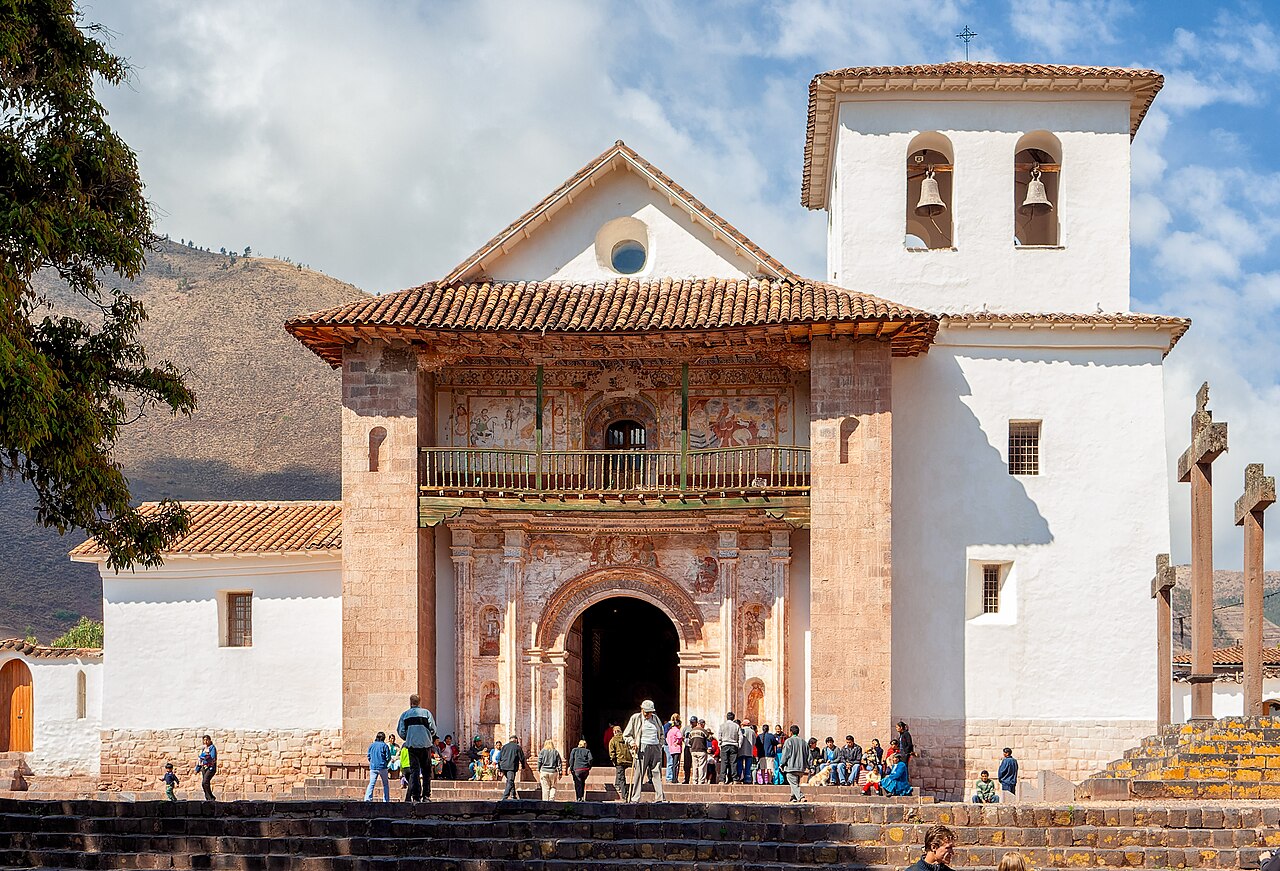
The Church of San Pedro Apóstol de Andahuaylillas is a 17th-century masterpiece of Andean Baroque architecture. Its unassuming adobe exterior hides an interior overflowing with:
-
Golden altars.
-
Painted murals.
-
Magisterial ceilings.
-
Cusco School artwork.
-
Intricate wooden carvings.
Conservation organizations such as the World Monuments Fund have documented its artistic significance and the preservation efforts that have kept its interior glowing.
It is often called the “Sistine Chapel of the Andes” for its rich iconography, which combines Catholic symbolism with local Andean motifs.
To explore the church as part of a broader route, Peru Travel promotes it on the Andean Baroque Circuit, along with nearby Huaro and Canincunca.
Why Andahuaylillas Matters
This church demonstrates how Andean and European traditions blended in the colonial era. It fills in the post-Inca story that many travelers overlook — an essential chapter for understanding Peru today.
What a Full South Valley Tour Looks Like
A typical South Valley Cusco tour lasts 6–7 hours and moves at a comfortable pace.
Morning: Tipón
Start early to enjoy Tipón in cooler temperatures and softer morning light. With a private guide, you can linger at the water channels, sit quietly on the terraces, and take in the acoustic beauty of flowing water.
Late Morning: Pikillaqta
Continue through rolling hills to Pikillaqta. Its wide corridors and expansive plazas make it ideal for wandering. This is one of Cusco’s best open-air archaeological experiences.
Afternoon: Andahuaylillas
End with the jewel of the South Valley before returning to Cusco. Visitors often spend more time than expected inside the church, marveling at its murals and gold leaf details.
You’ll return to Cusco by mid- to late afternoon — with time to rest or enjoy a leisurely evening in the historic center.
Why the South Valley Is Perfect for Your First or Second Day in Cusco
Because Cusco sits at 3,400 m, the early days of your trip should include gentle altitude acclimatization. Heavy hiking or long stair climbs can feel exhausting right away.
The South Valley is ideal because:
-
Distances are short.
-
Walking is moderate.
-
Elevation changes are minimal.
-
You can absorb history and culture without straining physically.
It’s a discovery-filled but low-impact way to ease into your Andean adventure.
Private vs. Group South Valley Tours
Both experiences have merit, but they differ significantly:
Private South Valley Cusco Tour
-
Customize timing and pacing.
-
Spend longer at Tipón or in Andahuaylillas.
-
Add artisan stops or lunch in the countryside.
-
Great for families or photographers.
Group Tour
-
Budget-friendly.
-
Efficient overview of all major sites.
-
Social and ideal for solo travelers.
If you value flexibility, a private South Valley Cusco tour lets you linger in the spaces that fascinate you most.
Additional Hidden Stops in the South Valley
If you have extra time, consider adding:
-
Oropesa: The “bread capital” of Cusco, famous for pan chuta.
-
Huaro & Canincunca: Additional churches on the Andean Baroque Route.
-
Saylla: Known for traditional chicharrón (pork dishes).
These stops round out the region’s rich cultural and culinary story.
FAQs: South Valley Cusco Tour
1) Why should I include the South Valley on my trip?
It’s one of Cusco’s most diverse day trips — Inca engineering, Wari archaeology, and colonial art all in one route, with fewer crowds.
2) What makes Tipón extraordinary?
Its hydraulic system still works today and is recognized by civil engineers as a masterwork of Inca design.
3) Why is Andahuaylillas called the “Sistine Chapel of the Andes”?
Because of its baroque décor: murals, gilded altars, and artwork from the famed Cusco School.
4) Is Pikillaqta worth visiting?
Absolutely. It’s one of Peru’s most critical pre-Inca cities and a rarity: a planned Wari urban center still visible today.
5) Is the South Valley a good acclimatization day?
Yes. It involves manageable walking and avoids steep climbs—perfect for adjusting to Cusco’s high altitude.
6) Can I combine the South Valley with the Sacred Valley in one day?
Not recommended; each deserves its own day. A private tour can stretch or shorten the day, but doing both valleys in one would feel rushed.
Final Thoughts: The South Valley Is Cusco’s Best-Kept Secret
If you want a deeper, more layered understanding of Andes history, the South Valley Cusco tour belongs on your itinerary. It’s a journey where every stop reveals a different civilization, worldview, and artistic tradition.
For travelers seeking authenticity, tranquility, and cultural richness, this is one of Cusco’s most rewarding day trips — and one that most visitors never experience. Contact us today to discuss your South Valley tour options.