
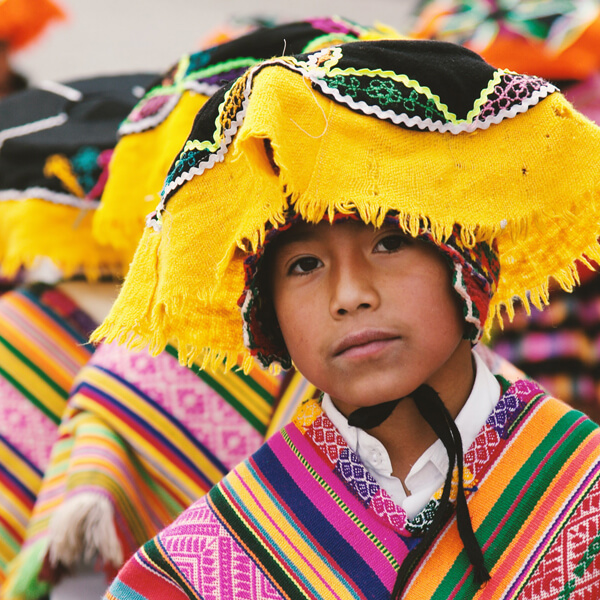
Why Choose the Lares Trek to Machu Picchu?
For many travelers, hiking to Machu Picchu means one thing: the Inca Trail. However, there’s another route through the Andes that offers something different — fewer crowds, more authentic living culture, and a deeper connection with remote Quechua communities.
That route is the Lares trek to Machu Picchu.
The Lares Valley lies northeast of Cusco, in the eastern part of the Urubamba range, and is home to traditional weaving villages, potato fields, grazing alpacas, and high mountain passes with sweeping views.
Unlike the classic Inca Trail, the Lares trek is:
- Quieter and more remote.
- More focused on culture and village life.
- Less restricted — no strict daily permit cap like the Inca Trail.
If you’re looking for an off-the-beaten-path Machu Picchu approach that trades stone steps for shepherds’ paths and ruins for living traditions, the Lares trek to Machu Picchu combo may be your perfect match.
What Is the Lares Trek?
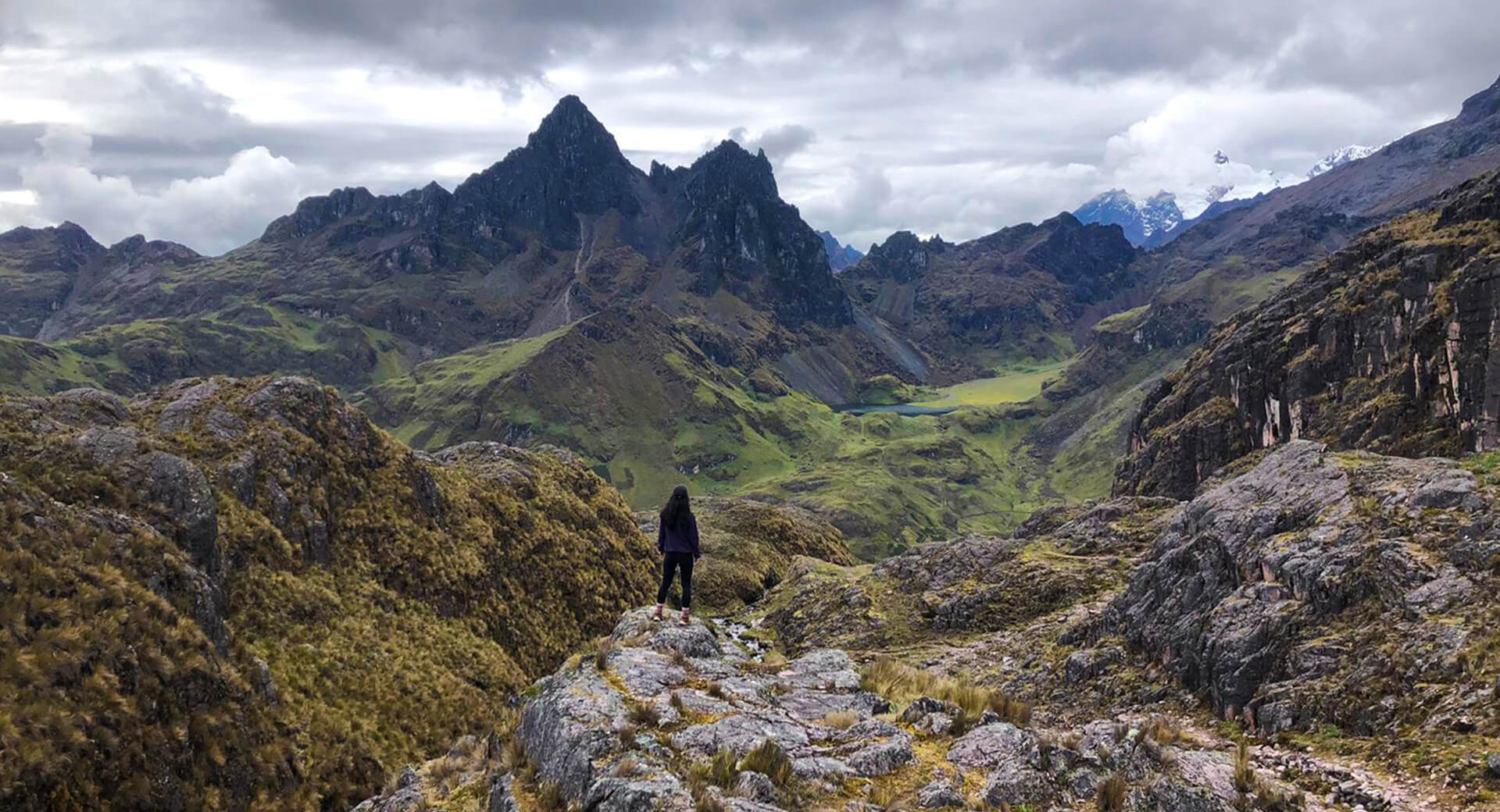
The Lares trek is a high-altitude hike in the Cusco region that typically takes 2–3 days of trekking, followed by a train journey to Aguas Calientes and a full-day visit to Machu Picchu.
Key facts:
-
Region: Cusco, Peru
-
Starting area: Near the village of Lares, roughly 40 miles north of Cusco
-
Typical length: ~33–37 km depending on route
-
Highest pass: Around 4,400–4,450 m (approx. 14,400–14,600 ft)
-
Focus: Remote Andean communities, weaving traditions, high-altitude lakes and passes
Unlike the Inca Trail, the Lares trek does not pass through the Sun Gate to enter Machu Picchu. Instead, most Lares trek to Machu Picchu itineraries finish in the Sacred Valley (often at or near Ollantaytambo), then continue by train to Aguas Calientes before visiting the citadel the next day.
Lares Trek vs Inca Trail: Which Is Right for You?
Both treks ultimately take you to Machu Picchu, a UNESCO World Heritage Site and protected Historic Sanctuary. But the journey feels different.
Inca Trail
-
Focus on Inca archaeological sites, stone paths, and the transition from jungle to cloud forest.
-
A strict permit system requires booking months in advance.
-
Ends at Machu Picchu via the Sun Gate (Inti Punku).
Lares Trek Machu Picchu
-
Focus on living culture — Quechua-speaking communities, weaving, farming traditions.
-
No strict permit limit; more flexibility in booking.
-
Ends with a scenic train ride and a separate day at Machu Picchu.
-
Generally quieter, more “off the beaten path”, with far fewer trekkers than the Inca Trail.
If you dream of off-the-beaten-path Machu Picchu experiences and authentic cultural encounters—sharing coca tea with local families, watching women weave in traditional styles, and crossing high passes past herds of llamas and alpacas—the Lares trek Machu Picchu combination is a strong contender.
Sample Andean Sky Itinerary: Lares & Short Inca Trail (4 Days / 3 Nights)
For travelers who want the best of both worlds — quiet Andean villages and that iconic Sun Gate arrival — Andean Sky Travel offers a combined Lares trek + Short Inca Trail program:
Lares & Short Inca Trail | 4 Days • 3 Nights
This combo blends local culture, high-mountain landscapes, a soak in the Lares thermal hot springs, and the final, classic stretch of the Inca Trail all the way to Inti Punku.
What’s Included
-
All transportation (Cusco transfers, train to KM 104, and back from Aguas Calientes).
-
Bilingual professional guide (English & Spanish).
-
Entrance fees (including the Inca Trail and Machu Picchu).
-
Guided tour of Machu Picchu.
-
All meals except lunch on Day 4.
-
Accommodations at the campsite and hotel as listed in the itinerary.
Not included: lunch on Day 4 and the optional entrance fee to the hot springs (a small additional cost).
Day 1 – Pumahuanca Valley Ascent
Your adventure begins with an early departure from Cusco, heading into the Sacred Valley of the Incas. You’ll stop in Urubamba for a light breakfast before continuing to the quiet village of Pumahuanca, your trek starting point.
From here, you begin a steady ascent up the side of the valley:
-
Visit the small, rarely seen Inca site of Pumahuanca and learn about local flora and fauna.
-
Climb approximately 1,150 m / 3,773 ft over the course of the day, gaining altitude gradually.
-
Enjoy a peaceful trail with very few other hikers — this is truly a tranquil, lesser-known route.
You camp for the night at Puyoc (around 4,100 m / 13,451 ft). During the dry season (May–September), overnight temperatures can be cold, and it’s not uncommon to see snow, so warm hats and gloves are essential.
-
Walking distance: ~14 km / 8.6 miles
-
Starting elevation: 2,800 m / 9,180 ft
-
Campsite elevation: 4,100 m / 13,451 ft
-
Difficulty: Challenging
Day 2 – Cuncani Village & Lares Hot Springs
Day 2 is slightly easier in terms of effort but packed with scenery and culture:
-
After breakfast, leave Puyoc and hike toward the community of Cuncani, passing snow-capped peaks and high mountain lakes.
-
Meet members of the Cuncani community and learn about their colorful traditional clothing, language (Quechua), and daily life. You may have the chance to buy locally woven alpaca textiles.
From Cuncani, you descend through farmland and small communities growing quinoa, tarwi, and other Andean crops, eventually reaching the Lares hot springs:
-
Relax in natural thermal pools, surrounded by views of the Lares Valley.
-
After a soak, enjoy dinner and camp near the hot springs.
-
Walking distance: ~19 km / 11.8 miles
-
Starting elevation: 4,100 m / 13,451 ft
-
Campsite elevation (max altitude): around 4,800 m / 15,750 ft (depending on exact route/campsite)
-
Difficulty: Moderate to challenging
Day 3 – Short Inca Trail from KM 104
On Day 3, you smoothly transition from the Lares side of the Andes to the Short Inca Trail:
-
Early breakfast, then private transport to Ollantaytambo, where you board the Expedition Train to KM 104 — the trailhead of the 2-day Inca Trail.
-
It’s approximately a 2-hour drive to Ollantaytambo, followed by a 1.5-hour scenic train ride along the Urubamba River.
From KM 104, the Inca Trail portion begins:
-
Cross the bridge near the Vilcanota River and visit Chachabamba, a ceremonial Inca site believed to be dedicated to the sun and mountains.
-
Climb gradually for a few hours before descending into cloud forest, passing a waterfall, and eventually reaching the spectacular ruins of Wiñay Wayna, where you stop for lunch.
-
Continue through lush cloud forest filled with bromeliads, orchids, and tree ferns.
The day culminates with the iconic finish:
-
Climb the final stone steps to the Sun Gate (Inti Punku) and enjoy a breathtaking first view of Machu Picchu from above.
-
Walk down to the main entrance and take the bus to Aguas Calientes, where a hot shower, dinner, and a comfortable hotel bed await.
-
Walking distance: ~13 km / 8 miles
-
Starting elevation: 2,100 m / 6,900 ft
-
Maximum altitude: 2,720 m / 8,920 ft
-
Difficulty: Moderate
This day is the bridge between the quiet Lares Valley and the classic Inca Trail experience — a highlight of the entire Lares trek to Machu Picchu combination.
Day 4 – Machu Picchu at Sunrise & Return to Cusco
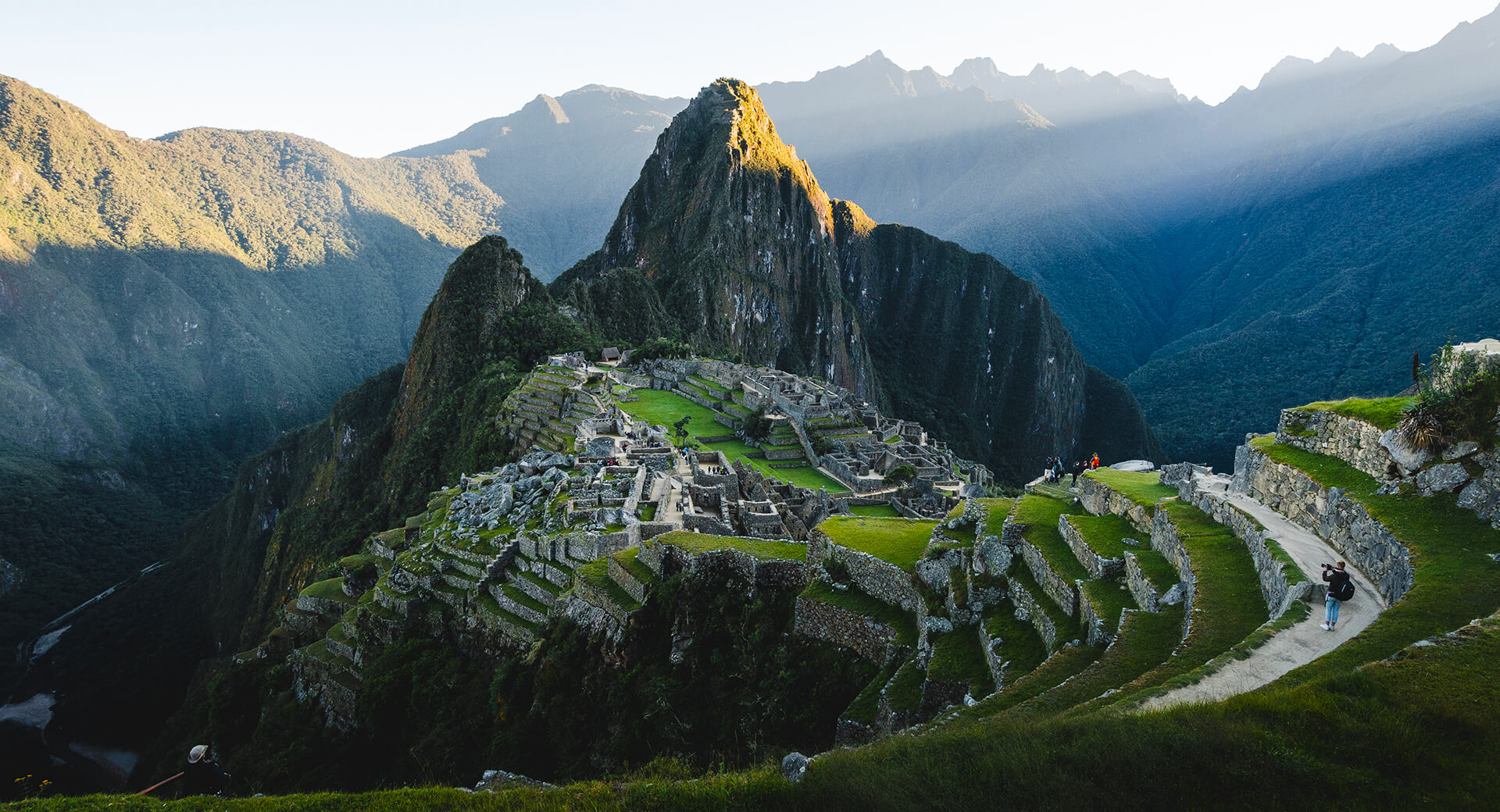
Today you experience Machu Picchu in full:
-
Wake up early to catch one of the first buses up to the citadel — highly recommended to enjoy the site with fewer crowds.
-
Your Andean Sky Travel guide leads a 2-hour guided tour that covers the history, engineering, and legends of this ancient city.
-
Enjoy some free time to explore on your own, take photos from your favorite viewpoints, or sit and soak it in.
After your visit:
-
Return to Aguas Calientes for lunch (not included) and some free time.
-
Board the afternoon train back toward Cusco, where your driver will be waiting to complete your journey.
This Lares & Short Inca Trail program is ideal for those seeking an itinerary that combines both off-the-beaten-path and iconic experiences: quiet highland trails, traditional communities, hot springs, and the unforgettable approach to Machu Picchu via the Sun Gate.
Why the Lares Trek Is Considered “Off the Beaten Path”
The phrase “off the beaten path Machu Picchu” gets thrown around a lot in marketing… but the Lares region genuinely delivers on the idea:
-
Fewer trekkers: The Lares trek is “far quieter than the Inca Trail” and still relatively unknown to many travelers.
-
Real village life: You walk through communities where daily routines—herding, weaving, farming—have changed little over generations.
-
Weaving culture: The valley is renowned for its textiles; many communities continue to utilize traditional techniques and natural dyes.
-
Multiple routes: There’s no single “official” Lares route; several variants allow operators like Andean Sky Travel to choose trails that match your interests and avoid the busiest paths.
Major travel outlets have highlighted Lares as a quieter, more reflective alternative, as seen in The Independent’s “Peru’s Lares Trek: Head for the clouds” and features in adventure and trekking guides, which describe it as a culturally immersive and less-crowded way to approach Machu Picchu.
Difficulty & Altitude on the Lares Trek
The Lares trek is often described as moderate in terrain but challenging in altitude:
-
Trek distance: roughly 33–37 km total, depending on route.
-
Highest pass: around 4,400–4,450 m (≈14,400–14,600 ft).
-
Nights are spent at high camps or villages, often above 3,500 m.
While the trails are not as steep or stepped as the Inca Trail, the thin air can make climbing slow and tiring. Good acclimatization in Cusco and/or the Sacred Valley before starting your Lares trek Machu Picchu itinerary is essential.
Tips:
-
Spend 2–3 nights in Cusco or the Sacred Valley before embarking on your trek.
-
Stay hydrated, eat light, and avoid heavy drinking for the first days at altitude.
-
Discuss high-altitude travel with your doctor in advance (resources like the CDC Travelers’ Health pages provide general altitude advice).
Lares Trek Machu Picchu: Pros & Cons
Pros
-
Cultural immersion: Daily chances to interact with Quechua communities, see weaving demonstrations, and observe traditional farming.
-
Fewer crowds: A quieter trail, especially compared to the heavily regulated Inca Trail.
-
Flexible itineraries: Multiple route options and no strict daily permit limit.
-
Combines well with other sites: Easy to integrate with Sacred Valley tours, Cusco city tours, and other Andean day hikes.
Cons
-
High altitude: Passes above 4,400 m can be tough for some travelers.
-
No Sun Gate arrival: You reach Machu Picchu by train and bus, not on foot via Inti Punku.
-
Less focus on ruins along the trail: The emphasis is more on landscape and living culture than on archaeological sites (you still get Machu Picchu at the end, of course).
Lares Trek Itinerary Customization with Andean Sky Travel
One of the significant advantages of the Lares route is its flexibility. Andean Sky Travel can adapt your Lares trek itinerary to:
-
Emphasize village stays and cultural visits.
-
Focus more on scenic high passes and lakes.
-
Shorten or lengthen the trekking portion (e.g., two trekking days + 1 Machu Picchu day, or three trekking days + 2 extra nights in the Sacred Valley).
-
Combine this with Sacred Valley tours, Cusco city tours, or day hikes, such as the Humantay Lake hike.
Because there is no strict permit quota, it’s often easier to find space on a Lares trek than on the Inca Trail — but availability of quality guides and lodgings is still limited, so booking ahead is wise.
Responsible Travel on the Lares Trek
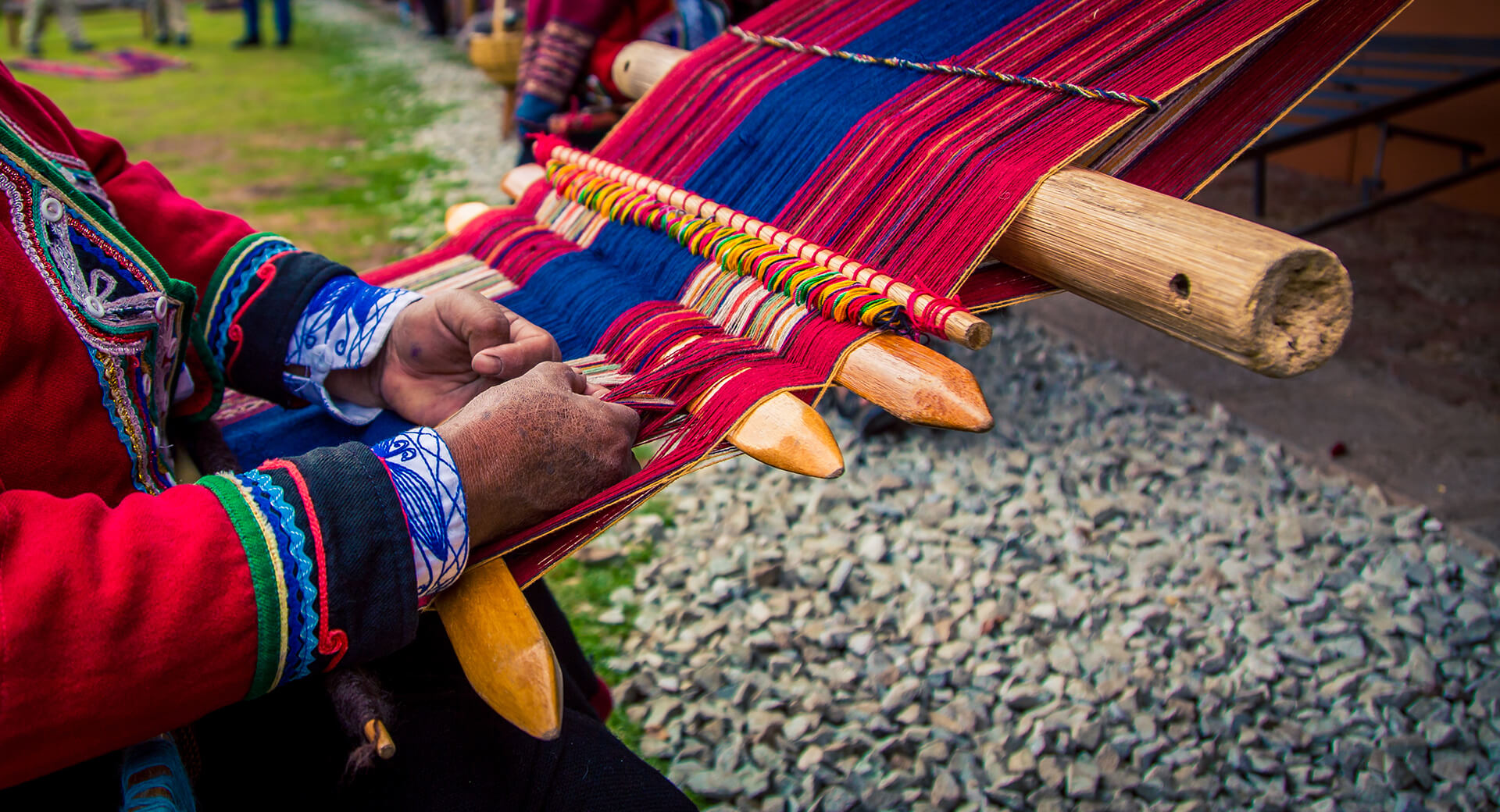
The Lares Valley is home to some of the most traditional Andean communities in Peru, where Quechua remains widely spoken and everyday life revolves around herding, weaving, and agriculture.
To keep this off-the-beaten-path Machu Picchu route sustainable:
-
Support fair wages for guides, cooks, muleteers, and community hosts.
-
Buy textiles and handicrafts directly from local cooperatives when possible.
-
Ask before photographing people, especially children.
-
Pack out all non-biodegradable waste and minimize your use of plastic.
Andean Sky Travel works with local communities to ensure that the Lares trek to Machu Picchu benefits both travelers and residents.
FAQs: Lares Trek to Machu Picchu
1. What is the Lares trek to Machu Picchu?
The Lares Trek Machu Picchu Combo is a multi-day high-altitude hike through the Lares Valley, followed by a scenic train ride and a full-day visit to Machu Picchu. It’s an alternative to the Inca Trail that emphasizes remote villages, traditional weaving, and stunning mountain scenery.
2. How long is a typical Lares trek itinerary?
Most Lares trek itineraries run 3–4 days total: 2–3 days of trekking plus 1 day at Machu Picchu. Andean Sky Travel can customize the exact number of trekking days, acclimatization nights, and Sacred Valley time to suit your needs.
3. Is the Lares trek easier than the Inca Trail?
Terrain-wise, many hikers find the Lares paths less stair-heavy than the Inca Trail. However, the Lares trek often reaches higher altitudes (around 4,400 m), which can feel more challenging. Good acclimatization is essential.
4. Do I need a permit for the Lares trek?
Unlike the Inca Trail, the Lares trek does not require a strict daily government permit cap. That said, spaces with reputable operators and community lodgings are limited, so it’s still best to book in advance.
5. Is the Lares trek really “off the beaten path” compared to other Machu Picchu routes?
Yes. Although it’s becoming better known, the Lares region remains significantly quieter than the Inca Trail. You’re far more likely to share the trail with locals and alpacas than with large groups of trekkers, making it a genuinely off-the-beaten-path Machu Picchu approach.
6. Can families or less experienced hikers do the Lares trek?
With acclimatization and realistic expectations, the Lares Trek to Machu Picchu can be suitable for adventurous families or less experienced hikers who are comfortable walking at high altitudes. Andean Sky Travel can adjust the Lares Trek itinerary to accommodate shorter daily distances or more cultural stops.
7. What’s the best time of year to hike the Lares trek?
The dry season (April–October) generally offers the most stable weather and clearest views, similar to other Andean treks. Shoulder months (April–May and September–October) can be ideal, with fewer crowds and good conditions.