
Why Packing Smart Matters in Peru
Peru isn’t a one-climate country. In just a few days, you might wander historic streets in Cusco, explore the Sacred Valley, hike to Machu Picchu, and maybe even trek to a high-altitude lake. Temperatures can swing from intense sun at midday to chilly evenings, and altitude adds another layer of challenge.
That’s why a thoughtful Peru packing list is more than “pleasant to have”—it’s your key to feeling comfortable, safe, and ready for adventure. This Andean Sky Travel guide focuses on what you’ll need for Cusco, Machu Picchu, the Sacred Valley, and nearby Andean hikes, plus practical Cusco altitude tips you can actually use.
Step 1: Understand Peru’s Highlands – Regions, Seasons & Altitude
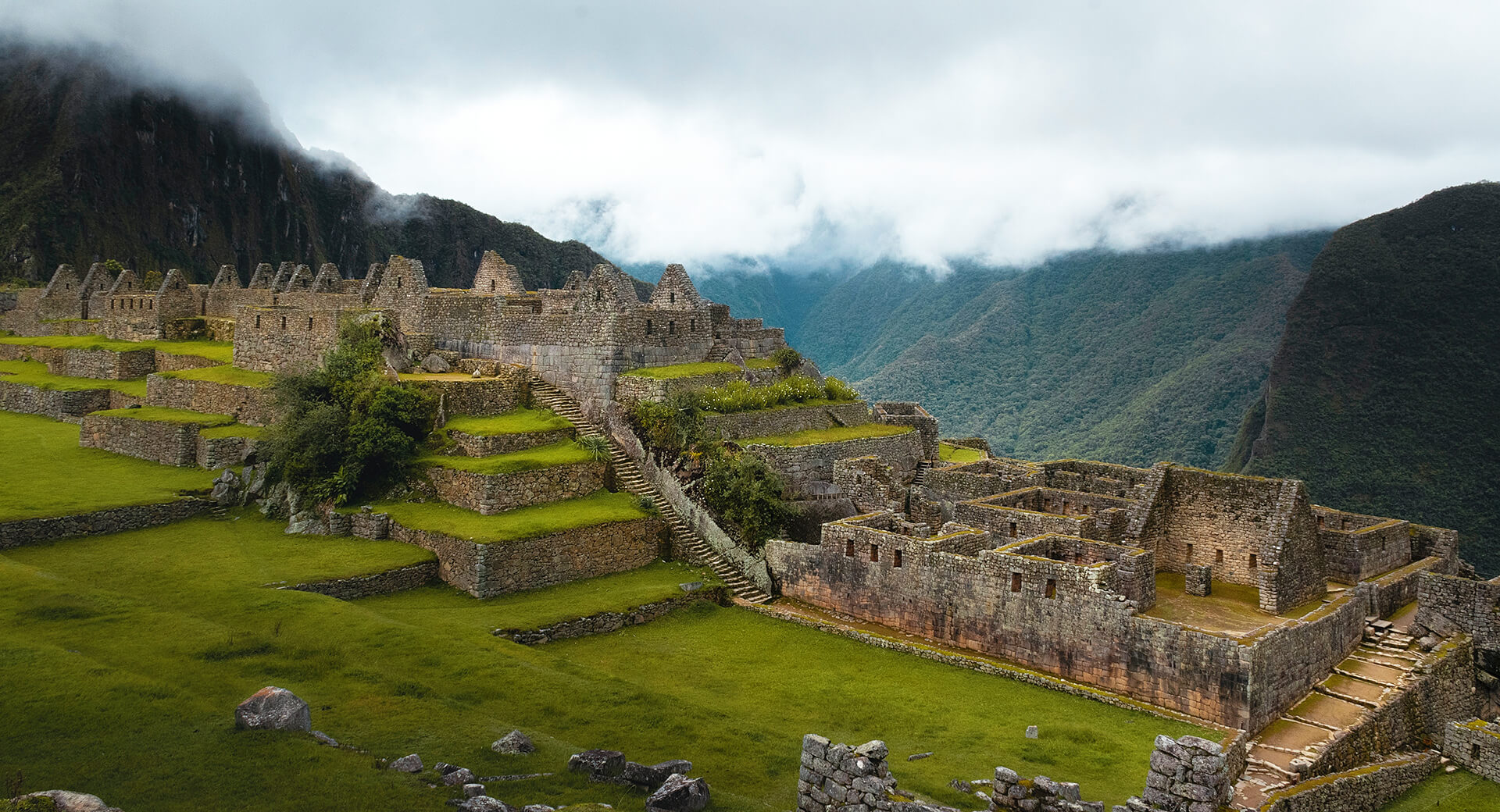
Most Andean itineraries revolve around three main areas:
-
Cusco – the former Inca capital, at about 3,399 m / 11,152 ft above sea level.
-
Sacred Valley – lower than Cusco, roughly 2,050–3,000 m (6,700–9,800 ft).
-
Machu Picchu – around 2,430 m / 7,972 ft, warmer and more humid than Cusco.
These altitude differences explain why you might need a warm jacket in Cusco at night and just a light layer at Machu Picchu.
Peru’s Andean Seasons
For the highlands, think in two main seasons:
-
Dry season (roughly April–October):
Clearer skies and cooler nights are best for trekking and enjoying the views. -
Wet season (roughly November–March):
More rain, lush green landscapes, fewer crowds.
Machu Picchu’s climate is mild year-round, with daytime highs often in the 18–22°C (64–72°F) range; however, showers can occur at any time.
Core Peru Packing List: Year-Round Essentials
No matter when you go, these items deserve a permanent spot on your Peru packing list.
Documents & Money
- Passport (plus digital photos of it).
- Printed and/or digital copies of: flights, hotel confirmations, Machu Picchu tickets, and any trek permits.
- Credit/debit cards + some Peruvian soles (cash is useful in markets and small towns).
- Travel insurance details.
Bags & Organization
- Daypack (20–30L) with comfortable straps and a rain cover.
- Packing cubes or compression bags to keep layers organized.
- Small zip pouch for valuables.
Clothing (Base System)
- 3–5 moisture-wicking t-shirts or long-sleeve shirts.
- 1–2 lightweight hiking shirts.
- 1 casual outfit for dinners in Cusco.
- 2–3 pairs of quick-dry underwear.
- 2–3 pairs of quick-dry or trekking pants.
- 1 pair of comfortable leggings/joggers for lounging or overnight buses.
Warmth & Outer Layers
- 1 fleece or light insulated jacket.
- 1 packable puffer jacket (especially for the dry season).
- 1 lightweight, waterproof shell or rain jacket.
- Thin beanie + lightweight gloves (mornings/evenings in Cusco can be cold, even in dry season).
Footwear
- Walking shoes or sneakers for city days.
- Light hiking boots or trail shoes are recommended for destinations such as Machu Picchu, the Sacred Valley, and Humantay, among others.
- Flip-flops or sandals (for use in showers, hot springs, and hotels).
Ensure your hiking footwear is well broken in before you arrive.
Sun, Skin & Insect Protection
High elevation = strong UV. Protect yourself:
- Broad-brim hat or cap.
- UV-blocking sunglasses.
- High-SPF sunscreen & SPF lip balm.
- Light scarf or buff to cover neck and face.
- Insect repellent, especially if you’re traveling in the Amazon or lower jungle regions.
Smart Health Packing: Keep It Simple, Keep It Safe
The CDC “Pack Smart“ guidance recommends bringing a basic travel health kit tailored to your destination and activities.
For Peru, consider:
- Personal medications (in original labeled containers).
- Pain reliever/fever reducer.
- Anti-diarrheal medication.
- Oral rehydration salts or electrolyte packets.
- Antihistamine (for allergies).
- Band-aids, blister pads, and a small roll of tape.
- Antiseptic wipes or gel.
- Hand sanitizer.
For vaccine and health guidance specific to Peru, refer to the CDC Travelers’ Health – Peru page and consult with your healthcare provider in advance.
What to Pack for Peru (Machu Picchu, Cusco & Sacred Valley)
Now, let’s zoom in on what to pack for Peru, specifically in the Machu Picchu and Andes regions.
Clothing by Activity
For Cusco city days (sightseeing, museums, cafes):
- 1–2 pairs of jeans or casual pants.
- 1–2 casual tops or sweaters.
- Light jacket or fleece for evenings.
- Comfortable walking shoes.
For Sacred Valley & Machu Picchu tours:
- Quick-dry trekking pants or leggings.
- Breathable top (such as a t-shirt or long-sleeve shirt).
- Light mid-layer (fleece) for early mornings.
- Waterproof jacket (rain can appear suddenly).
- Hat, sunglasses, sunscreen.
For train + site days (e.g., day trip to Machu Picchu):
- Lightweight layers that can be added or removed.
- Small daypack with water, snacks, camera, tickets, and a light rain shell.
- One extra pair of socks in your bag (just in case).
Because the weather shifts quickly, the golden rule of what to pack for Peru in the Andes is: lots of layers, nothing too heavy.
Trekking Gear: Inca Trail, Salkantay & Day Hikes
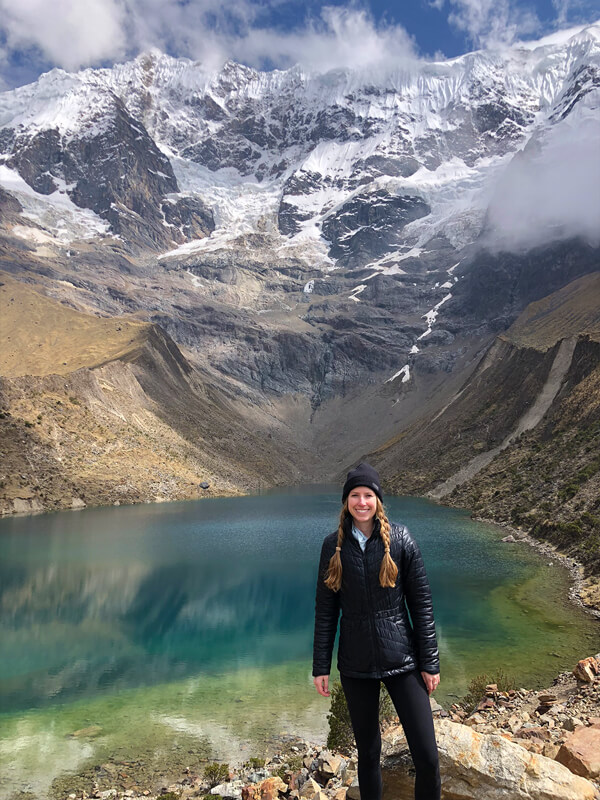
If you’re planning multi-day treks (Inca Trail, Salkantay, Lares) or challenging day hikes (Humantay Lake, Rainbow Mountain), add this to your Peru packing list:
Clothing & Footwear
- Sturdy hiking boots with ankle support.
- 3–4 pairs of moisture-wicking hiking socks.
- 1–2 pairs of liner socks if you’re prone to blisters.
- 1 set of thermal base layers (top & bottom) for cold nights.
- Lightweight trekking pants.
- Quick-dry shirts (short and long-sleeved).
Gear
- Trekking poles (or plan to rent locally).
- Headlamp with extra batteries.
- Lightweight gloves and a beanie.
- Microfibre towel.
- Dry bags or zip-seals for electronics and spare clothes.
- Reusable water bottle or hydration bladder.
Ask your operator (like Andean Sky Travel) what they provide (tents, sleeping bags, duffel bags) vs. what you need to bring—this can dramatically slim down your packing.
Cusco Altitude Tips: Pack for High Elevation
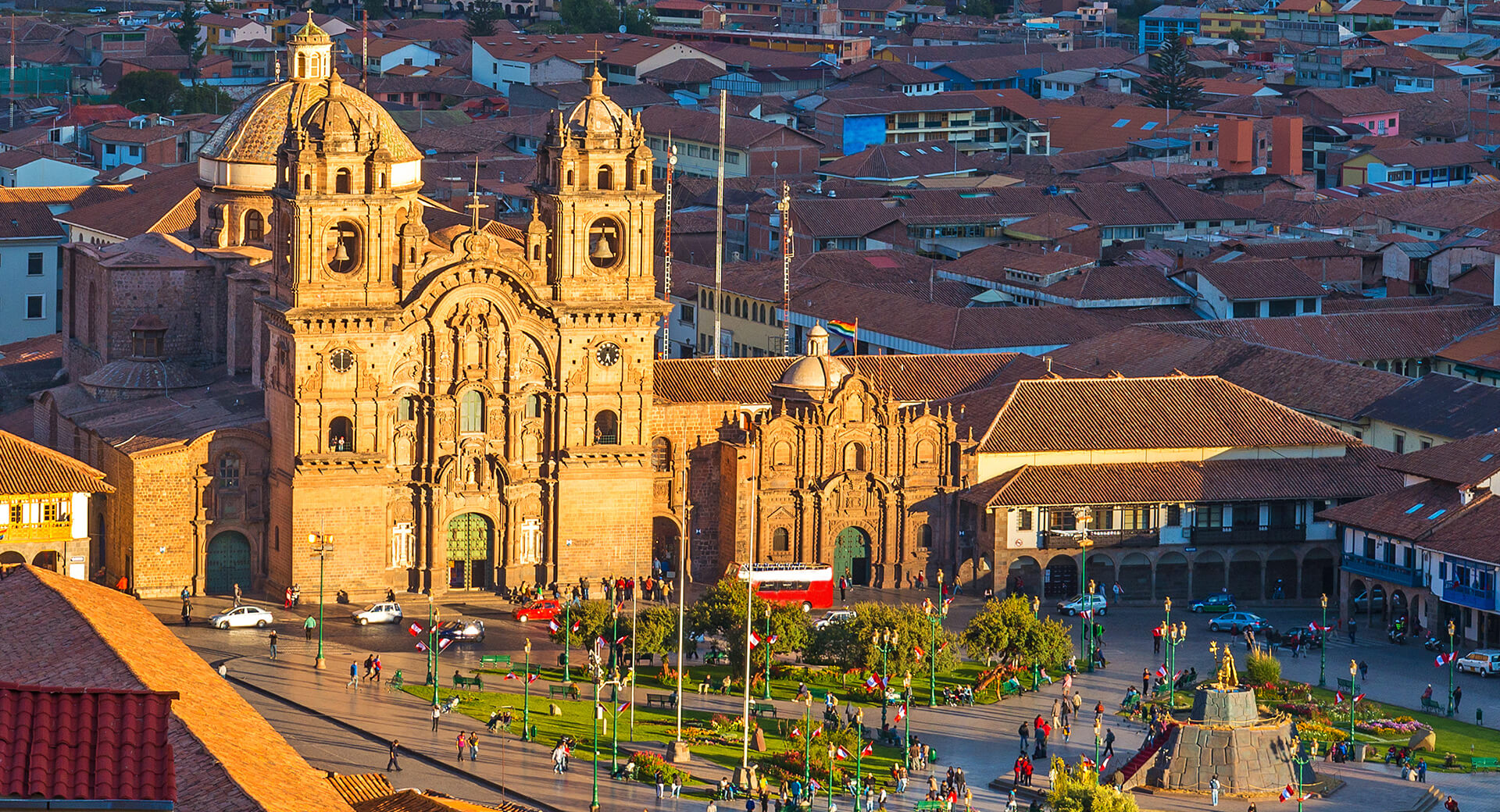
Cusco sits at around 3,399 m / 11,152 ft, significantly higher than Machu Picchu and many visitors’ home cities.
Altitude can cause symptoms such as headaches, fatigue, and shortness of breath, especially within the first 24–48 hours. Good Cusco altitude tips combine intelligent behavior and smart packing.
What to Pack for Altitude Comfort
- Extra water bottle or hydration bladder.
- Electrolyte powders or tablets.
- Snacks (such as nuts, granola bars, and dried fruit) for steady energy.
- Comfortable, loose clothing for arrival day.
- Simple medications your doctor recommends (some travelers discuss acetazolamide/”Diamox” with their physician before high-altitude trips).
Simple Cusco Altitude Tips
- Take it easy on day one. No long hikes or intense tours right away.
- Drink plenty of water; limit your alcohol intake, especially on your first night.
- Eat light, balanced meals.
- Sleep with your head slightly elevated (use an extra pillow) if you feel pressure on your head.
Your Peru packing list can help. Hydration options, comfy clothes, and a small health kit make managing altitude much easier.
Dry Season vs Wet Season: Adjusting Your Peru Packing List
Dry Season (April–October)
Expect sunny days, cold mornings and nights, and low rainfall.
Add to your packing list:
- Extra warm mid-layer (like a thicker fleece).
- Warm sleepwear (especially if you’re trekking).
- Light gloves & hat.
- Buff/neck gaiter (great for dust and chilly air).
Wet Season (November–March)
You’ll see greener hillsides, more clouds, and rain showers, often in the afternoon.
Add:
- Compact umbrella or rain poncho.
- Waterproof or water-resistant hiking pants.
- Quick-dry socks (bring an extra pair).
- Stronger pack rain cover.
- A second pair of shoes if you’ll be hiking more than one day.
According to local climate data, Machu Picchu’s wettest months tend to be January through March, characterized by higher humidity and more frequent showers, yet also offering lush scenery ideal for taking amazing photographs.
City vs Trek: Two Mini Packing Lists
To keep things simple, think in two categories:
City-Focused Peru Packing List (Cusco, Lima, Arequipa, etc.)
- Casual outfits for dinners and museums.
- One warmer layer for evenings.
- Comfortable city shoes.
- Small purse or crossbody bag for essentials.
Trek-Focused Peru Packing List (Machu Picchu & Andes)
- Technical clothing (quick-dry, layering pieces).
- Reliable hiking boots.
- Trekking poles.
- Minimal “extras”—focus on light, versatile items.
Laundry is inexpensive and widely available in Cusco, so you don’t need “fresh” outfits every day.
What NOT to Pack for Peru
A powerful packing list is also about what to leave out:
- Heavy winter coat (layer lighter pieces instead).
- Too many shoes (usually two to three pairs are enough).
- Large bottles of toiletries (decant into small travel containers).
- Expensive jewelry or unnecessary valuables.
- Bulky gadgets you won’t actually use.
Your back—and your luggage allowance—will thank you.
How Andean Sky Travel Helps You Pack Smarter
When you book with Andean Sky Travel, you’re not just getting a tour—you’re getting local expertise from people who live with this weather and altitude every day.
We provide:
- Pre-trip packing checklists tailored to specific tours (Machu Picchu, Sacred Valley, Humantay Lake, Rainbow Mountain, Inca Trail, etc.).
- On-the-ground Cusco altitude tips from experienced guides.
- Advice on what you can easily rent or buy in Cusco vs. what you should bring from home.
- We’re here to support you if you forget something—our team knows the best local gear shops and pharmacies.
Final Thoughts: Pack Light, Travel Far, Breathe Easy
A well-planned Peru packing list is like a quiet superpower; it keeps you comfortable in Cusco’s cool evenings, dry in Machu Picchu’s sudden showers, and ready for whatever the Andes throw your way.
Focus on layers, smart health prep, and altitude awareness, and you’ll spend less time worrying about what’s in your suitcase and more time enjoying the views from those Inca terraces.
If you’d like help tailoring this list to your exact itinerary, the team at Andean Sky Travel is always happy to share personalized suggestions based on the season, your route, and your travel style.
FAQs: Peru Packing List & Altitude
1. What should be on a basic Peru packing list for Machu Picchu?
At minimum: a small daypack, comfortable walking shoes, layered clothing (t-shirt, fleece, light rain jacket), hat, sunglasses, sunscreen, reusable water bottle, and your passport + Machu Picchu ticket.
2. What to pack for Peru in the dry season vs the rainy season?
In the dry season, emphasize warmth by wearing extra mid-layers, a hat, and gloves for cold mornings. During the rainy season, prioritize waterproof gear, including a rain jacket/poncho, quick-drying clothing, and a pack cover.
3. Do I need hiking boots for Machu Picchu, or are sneakers enough?
For basic visits to Machu Picchu and leisurely walks, sturdy sneakers with a good grip can be sufficient. For treks (Inca Trail, Salkantay, Humantay, Rainbow Mountain), proper hiking shoes or boots are strongly recommended.
4. What are the most essential Cusco altitude tips for first-time visitors?
Arrive, rest, and stay hydrated. Pack light, comfortable clothes, drink plenty of water, and go easy on alcohol. Plan your most strenuous activities (like long hikes) for after at least 1–2 days in Cusco or the Sacred Valley.
5. Can I buy outdoor gear in Cusco if I forget something?
Yes. Cusco has many shops selling jackets, hats, gloves, ponchos, and even trekking poles. Quality varies, so bring critical items (such as hiking boots and a backpack) from home if possible.
6. How should I pack for a 10–14-day Peru itinerary?
Choose versatile items that can be mixed and matched: 3–5 tops, 2–3 bottoms, 1–2 mid-layers, one warm jacket, 2–3 pairs of shoes (including hiking footwear), and small health/altitude essentials. Plan to do laundry in Cusco instead of overpacking.