
Two Legendary Paths to the Lost City of the Incas
For centuries, travelers have dreamed of reaching the awe-inspiring Machu Picchu, the crown jewel of the Andes. Today, adventurers have two legendary routes to choose from: the historic Inca Trail trek and the rugged Salkantay trek. Each path reveals a different side of Peru — one steeped in ancient stonework and sacred ruins, the other carved through towering glaciers and lush jungles.
At Andean Sky Travel, we specialize in guiding travelers along both of these world-class routes — helping you decide which is the best fit for your goals, fitness, and sense of adventure. So let’s explore Salkantay trek vs Inca Trail and discover which of these best Machu Picchu hikes will carry you to the Lost City in true Andean style.
The Classic Inca Trail Trek: Walking in the Footsteps of History
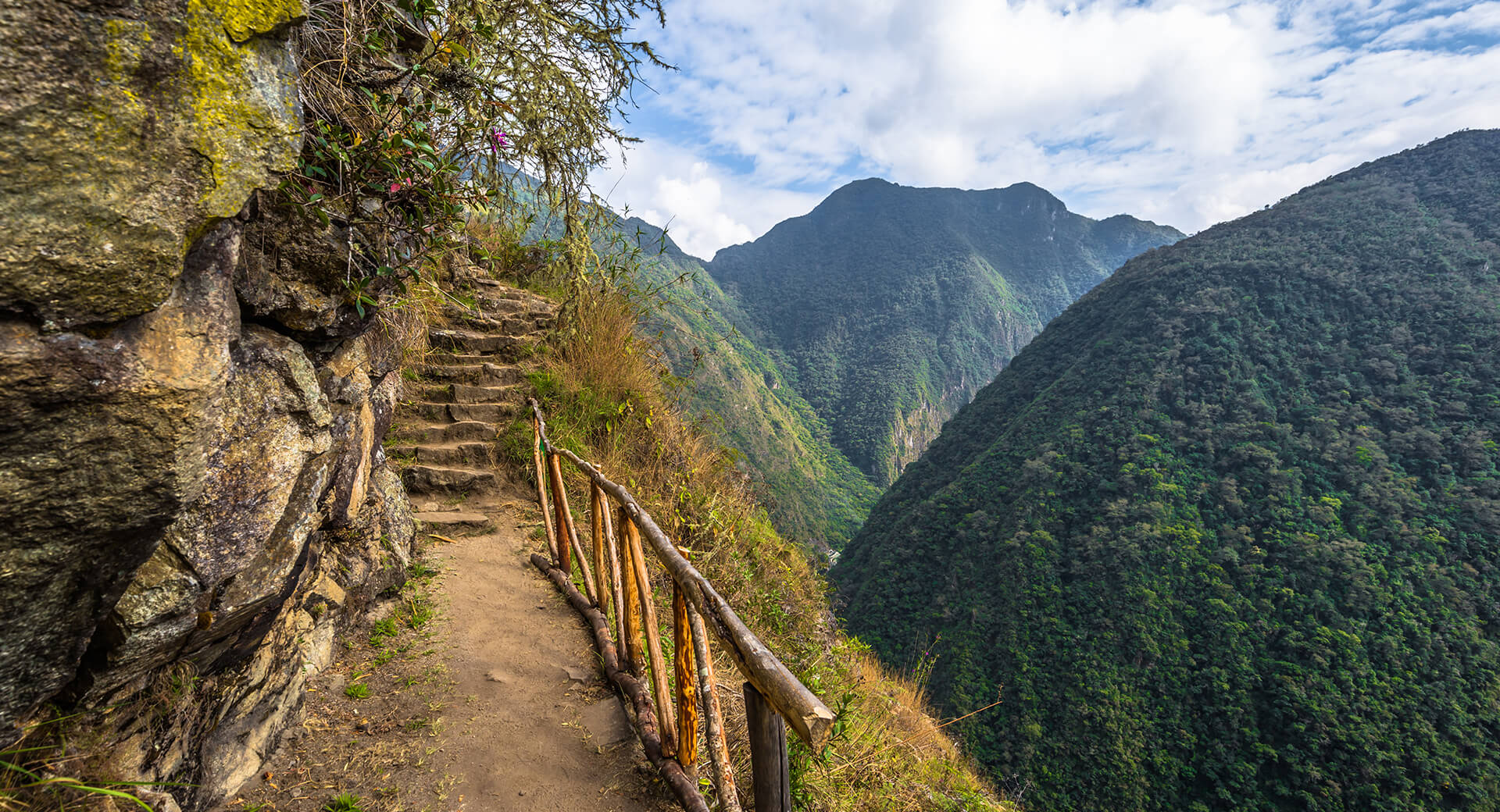
Few experiences rival the Inca Trail trek — the most famous hiking route in South America. Stretching about 26 miles (42 km) from the Sacred Valley to Machu Picchu, this ancient path was part of the vast Qhapaq Ñan, or Royal Road of the Incas.
What Makes the Inca Trail Special
-
Historic Route: You’re literally walking on 500-year-old stone pathways built by the Inca civilization.
-
Iconic Sites: Along the way, hikers pass ruins like Runkurakay, Phuyupatamarca, and Wiñay Wayna, each perched high above the Urubamba River.
-
The Grand Finale: The trail culminates with sunrise at the Sun Gate (Inti Punku), offering that first magical view of Machu Picchu.
Because of its popularity and fragility, the Peruvian government strictly limits access. Only 500 permits per day are issued (including guides and porters), making it crucial to book 4–6 months in advance through an authorized operator like Andean Sky Travel. You can verify regulations via the Ministry of Culture of Peru (MINCUL) or check UNESCO’s listing for the Historic Sanctuary of Machu Picchu.
This trek typically lasts 4 days and 3 nights, with moderate to challenging terrain, steep stone steps, and altitudes peaking near 4,200 m (13,780 ft). Despite the challenge, it remains the ultimate historical pilgrimage — a combination of physical endurance, cultural immersion, and emotional reward.
The Salkantay Trek: A Wild Alternative for the Adventurous Soul
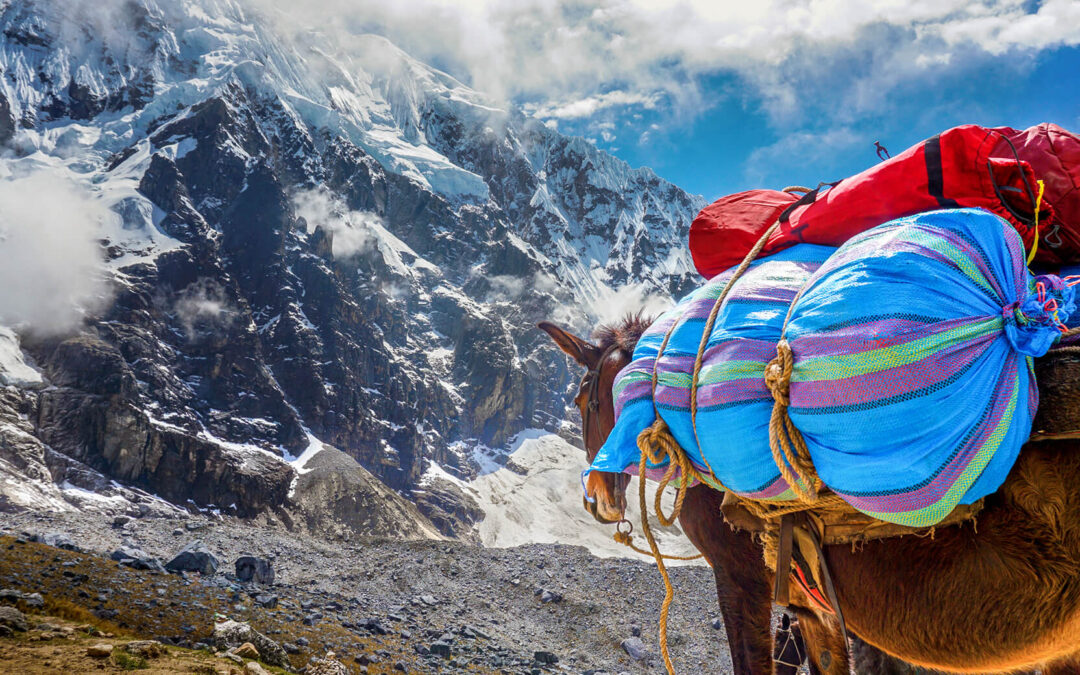
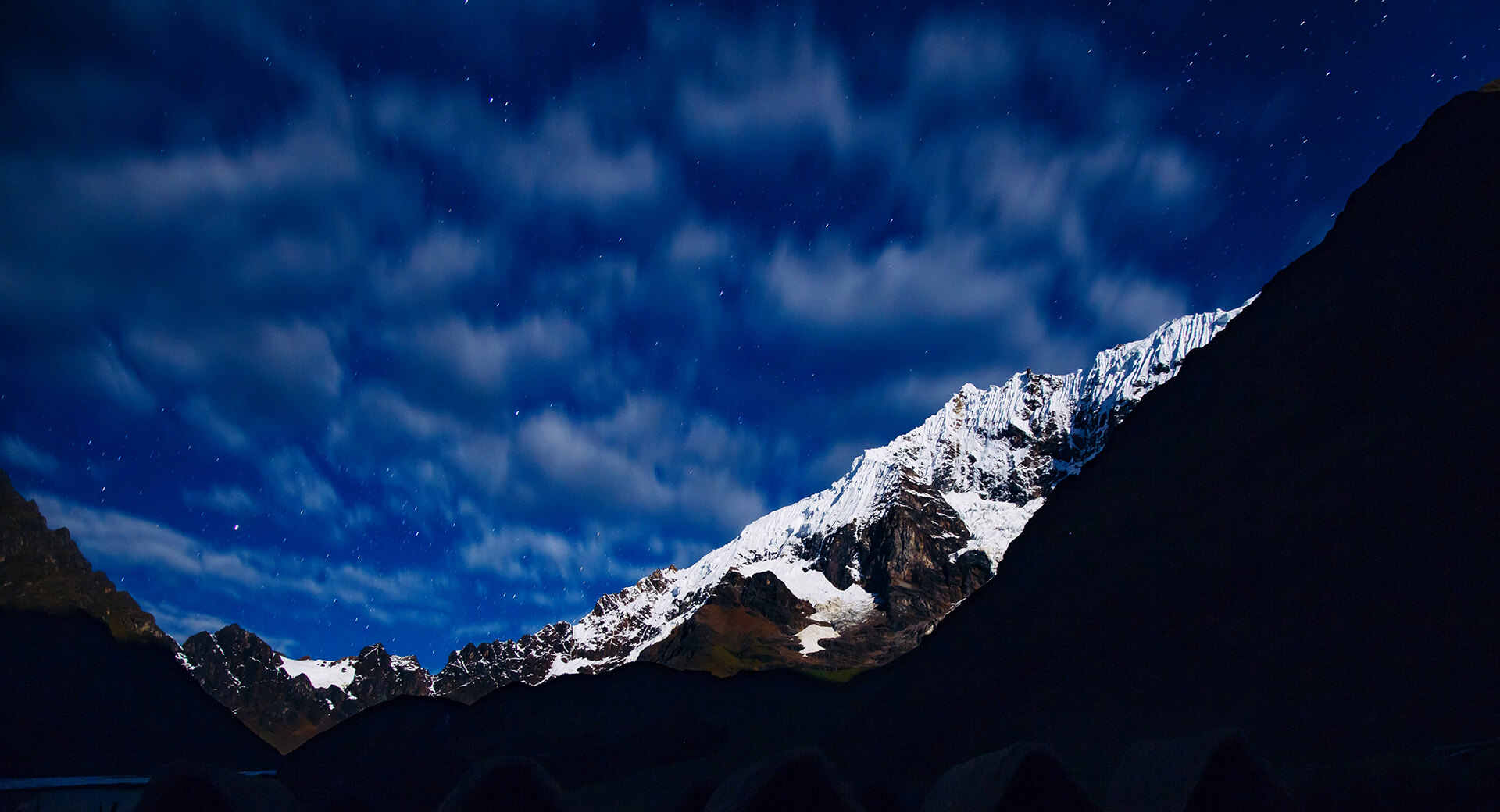
If you crave significant landscapes, fewer crowds, and pure wilderness, the Salkantay trek is the top contender. Named after the towering Salkantay Mountain (6,271 m / 20,574 ft) — the most sacred peak in the Vilcabamba range — this route was once a trade and spiritual corridor for the Incas.
Why Choose the Salkantay Trek
-
Epic Scenery: Cross the Salkantay Pass (4,650 m / 15,255 ft), trek past turquoise Humantay Lake, and descend into the cloud forest toward Aguas Calientes.
-
Flexibility: No permits required — meaning you can often book your trek days or weeks in advance.
-
Diverse Ecosystems: From glaciers to tropical jungle, you’ll experience Peru’s full range of climates in just five days.
-
Comfort Options: Some itineraries include comfortable lodges or eco-camps.
According to Lonely Planet, this route is one of the best Machu Picchu hikes for those seeking a blend of adventure and natural beauty without the crowds of the Inca Trail.
While more physically demanding than the Inca Trail, the Salkantay trek rewards you with solitude, panoramic vistas, and a profound sense of freedom. It ends in Aguas Calientes, the gateway town to Machu Picchu, where trekkers stay overnight before visiting the citadel the next morning.
Salkantay Trek vs Inca Trail: Side-by-Side Comparison
| Feature | Inca Trail Trek | Salkantay Trek |
|---|---|---|
| Scenery | Ancient ruins, subtropical cloud forest, Sun Gate view | High mountain passes, glaciers, jungle valleys |
| Difficulty | Moderate–challenging (max altitude ~4,200 m) | Challenging (max altitude ~4,650 m) |
| Permits | Required, limited to 500 people/day | No permits required |
| Crowds | High demand, often sold out | Fewer trekkers, more solitude |
| Cultural Focus | Strong — many Inca archaeological sites | More natural focus, rural Andean villages |
| Accommodation | Tents, guided campsites | Mix of camping and eco-lodges |
| Duration | 4 days / 3 nights | 4–5 days / 3–4 nights |
| Arrival | Hike into Machu Picchu via Sun Gate | Arrive at Aguas Calientes, then visit Machu Picchu next morning |
| Best For | History lovers, first-time trekkers | Adventure seekers, photographers, experienced hikers |
Verdict: The Inca Trail trek is best for travelers seeking history and heritage, while the Salkantay trek appeals to adventurers looking for raw nature and challenge. Both rank among the best Machu Picchu hikes in the world.
Preparing for Your Trek
Both routes require preparation — both physical and logistical.
Acclimatization
Spend 2–3 days in Cusco or the Sacred Valley before trekking. Altitude sickness is common, so hydrate well, avoid alcohol, and take it slow.
Packing Essentials
-
Footwear: Broken-in hiking boots with ankle support.
-
Clothing: Layered outfits for rapid weather shifts.
-
Sun Protection: Sunscreen, hat, and sunglasses — UV radiation is intense at high altitude.
-
Gear: Trekking poles, a lightweight rain jacket, a water purifier, and a good daypack.
-
Extras: Snacks, energy gels, and camera gear for capturing breathtaking landscapes.
Andean Sky Travel provides detailed pre-departure briefings, high-quality equipment, and professional hiking guides to ensure a safe and rewarding experience.
Sustainable and Ethical Trekking
At Andean Sky Travel, we’re committed to responsible tourism. Both treks pass through fragile ecosystems and traditional Quechua communities. We maintain ethical standards by:
-
Ensuring fair wages and working conditions for porters and guides.
-
Partnering with local families and suppliers for food and lodging.
-
Minimizing waste with “leave no trace” policies.
-
Supporting reforestation and carbon-offset projects certified by SERNANP (National Service of Natural Protected Areas of Peru).
Your adventure should leave a positive footprint — for both the land and its people.
Choosing the Right Trek for You
Choose the Inca Trail trek if:
-
You want to follow in the footsteps of the Incas.
-
You prefer a structured, cultural experience with ancient ruins.
-
You’re planning well in advance and want the classic Sun Gate arrival.
Choose the Salkantay trek if:
-
You prefer wild, open landscapes and high-altitude passes.
-
You value flexibility and want to book at the last minute.
-
You want to experience both mountains and rainforest on one journey.
Can’t decide? Andean Sky Travel can craft custom itineraries combining the best of both—or even include extensions such as Humantay Lake, Rainbow Mountain, or the Sacred Valley — for a complete Andean adventure.
Final Word: Every Path Leads to Wonder
Both the Salkantay trek and Inca Trail trek lead to the same breathtaking reward — Machu Picchu, a UNESCO World Heritage Site and one of the New Seven Wonders of the World. Whether you choose the historical pilgrimage or the wild, glacial frontier, your journey will be transformative.
With Andean Sky Travel, you’ll trek with experts who combine safety, sustainability, and soul. So lace up your boots, breathe the crisp Andean air, and begin your own unforgettable journey to the Lost City of the Incas.
FAQs
1. What is the main difference between the Salkantay trek and the Inca Trail trek?
The Salkantay trek offers wilder, more varied scenery and doesn’t require permits, while the Inca Trail trek follows the original Inca road and includes archaeological sites.
2. Is the Salkantay trek harder than the Inca Trail?
Yes, generally. The Salkantay trek involves higher altitudes and longer walking days, but both require good fitness and acclimatization.
3. Do I need a permit for the Salkantay trek?
No permits are required for the Salkantay trek, making it a great alternative when Inca Trail spots are sold out.
4. When is the best time for Machu Picchu hikes?
April to October (the dry season) is ideal. Expect cooler, clearer weather with minimal rain. The wet season (November–March) is greener but muddier.
5. Can I combine the Salkantay trek with a Machu Picchu tour?
Absolutely. Most Salkantay treks end in Aguas Calientes, allowing easy access to a guided Machu Picchu tour the next morning.
6. Which trek is better for photography?
The Salkantay trek offers dramatic mountain and glacier shots, while the Inca Trail provides timeless ruins and jungle panoramas. Both are photographer favorites.
7. What’s the altitude of the Salkantay trek’s highest point?
The Salkantay Pass is about 4,650 m (15,255 ft) high. Proper acclimatization in Cusco or the Sacred Valley is strongly recommended.
8. Are these considered the best Machu Picchu hikes?
Yes. The Inca Trail and the Salkantay trek are consistently ranked among the best hikes to Machu Picchu by travel authorities such as Lonely Planet and National Geographic.