
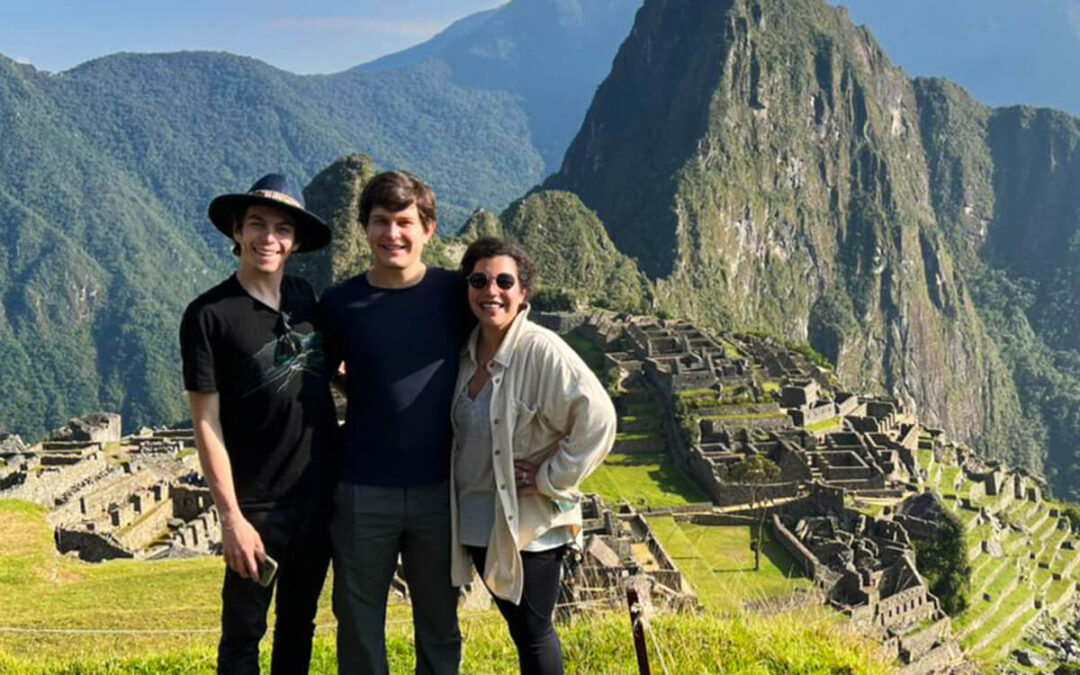
Planning Your Perfect Journey to the Lost City
Visiting Machu Picchu and the Sacred Valley is a dream for travelers worldwide. But when exactly should you go? The answer depends on what kind of experience you’re looking for: clear skies for hiking, lush green landscapes for photography, or fewer crowds for quiet exploration.
Choosing the best time to visit Machu Picchu is one of the most important decisions you’ll make when planning your Peru adventure. As local travel experts, Andean Sky Travel helps travelers craft personalized itineraries that make the most of Peru’s unique climate and travel seasons. Whether you’re exploring ancient terraces in the Sacred Valley or standing at the Sun Gate watching dawn light over Machu Picchu, timing makes all the difference.
Understanding Peru’s Travel Seasons
Peru’s Andean highlands — including Cusco, the Sacred Valley, and Machu Picchu — experience two main travel seasons: the dry season and the wet season. While Machu Picchu is open all year, these seasons dramatically shape your experience.
-
Dry Season (April–October):
Cool, clear days and minimal rainfall make this the most popular time for visiting Machu Picchu. The skies are usually blue, the mountains are visible, and the Inca Trail and Salkantay Trek are at their best. -
Wet Season (November–March):
Expect warm days, misty mornings, and afternoon showers. The landscape is lush and vibrant, ideal for photographers and travelers seeking quieter sites and lower prices.
According to the Ministry of Foreign Trade and Tourism (MINCETUR), Machu Picchu remains open year-round, though the Inca Trail closes each February for maintenance.
For more information on Peru’s official tourism calendar, visit the Peru Travel website or UNESCO’s listing for the Historic Sanctuary of Machu Picchu.
Machu Picchu Weather by Month
Because of its location in a subtropical mountain region (7,972 ft / 2,430 m), Machu Picchu’s weather is generally mild year-round. But conditions can vary significantly from month to month. Here’s what to expect:
| Month | Weather Highlights | Travel Notes |
|---|---|---|
| January – March | Warm days (18–22°C), frequent rain, misty mornings | Wettest months; ideal for photography, but trails may be muddy |
| April – May | Transition to dry season; lush scenery, clearer skies | Excellent balance of weather and smaller crowds |
| June – August | Sunny, dry, and cool; cold nights | Peak season; best conditions for hiking the Inca Trail |
| September – October | Mild temperatures, light showers | Great for trekkers wanting fewer crowds |
| November – December | Start of rainy season; green hillsides | Quieter travel months with moody, dramatic skies |
The Best Time to Visit Machu Picchu
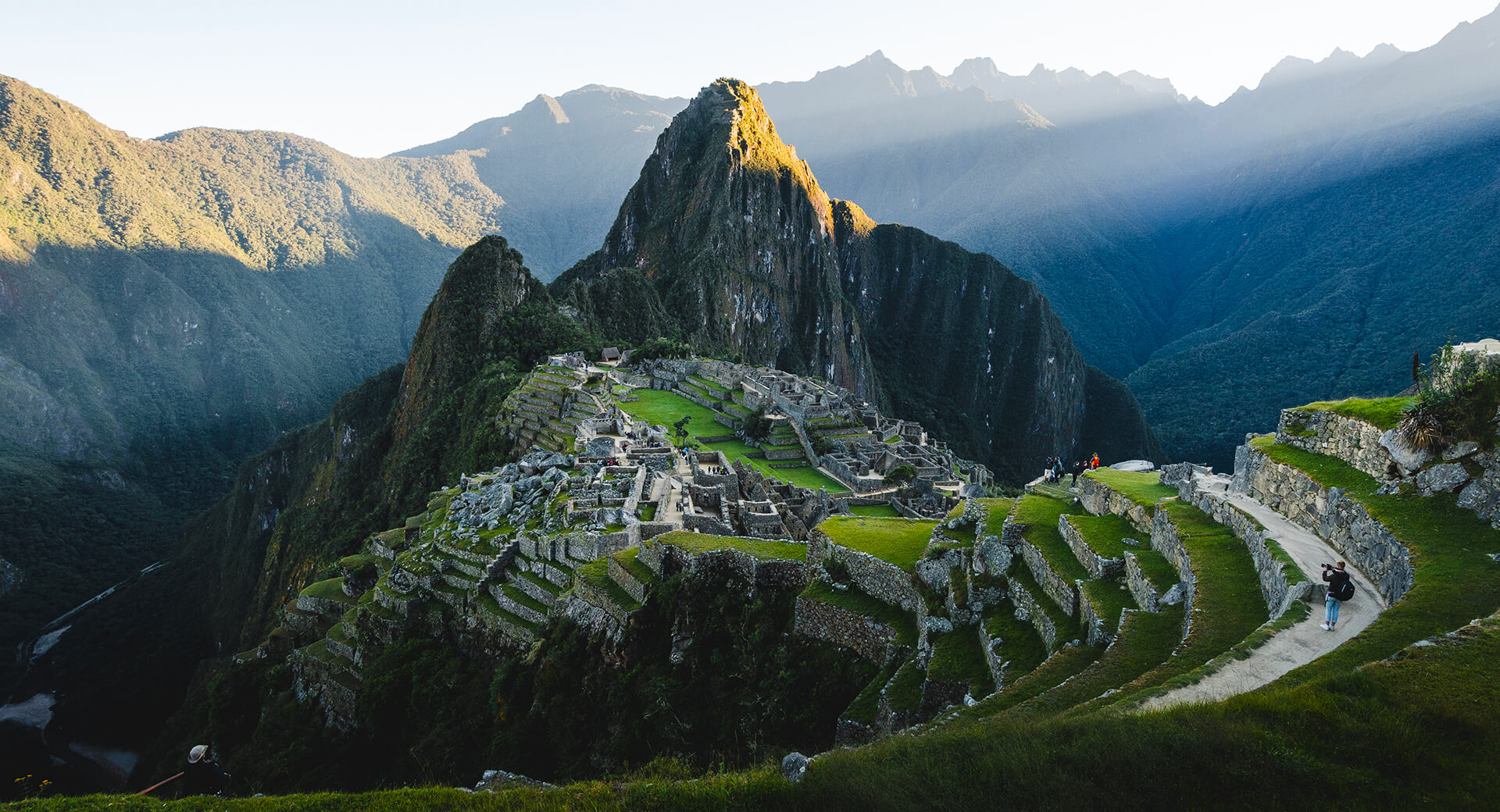
So, when is the best time to visit Machu Picchu? It depends on what matters most to you:
-
For the best weather:
Visit during the dry season (April–October). The air is crisp, the mountain views are spectacular, and the trails are in top condition. -
For fewer crowds:
Choose April–May or September–October — the shoulder months with pleasant weather and less congestion at the citadel. -
For green landscapes:
December–March offers lush vegetation and mist-shrouded mountains, creating an ethereal atmosphere at Machu Picchu.
Keep in mind that both Machu Picchu and the Sacred Valley have similar climates, but the Sacred Valley sits slightly lower, making it a few degrees warmer.
At Andean Sky Travel, we help travelers plan their visit based on personal preferences — whether that means sunrise treks, relaxed cultural tours, or combining both experiences in one itinerary.
Visiting During the Wet Season (November–March)
Many travelers avoid the rainy season, but it has its charm. The verdant hills, low-hanging clouds, and fewer tourists make for a tranquil experience.
Pros:
-
Beautiful green scenery and fewer crowds.
-
Lower hotel and ticket prices.
-
Great for photography (mist and contrast).
Cons:
-
Afternoon rain and muddy trails.
-
Some treks (like the Inca Trail) may close temporarily.
-
Possible train or flight delays during heavy storms.
Despite this, Andean Sky Travel operates safe, guided tours year-round, adjusting itineraries as needed. Instead of long hikes, wet-season travelers often focus on Cusco city tours, Sacred Valley villages, Maras & Moray, or train journeys to Machu Picchu — all spectacular, even in the rain.
Best Time for Hiking, Photography & Culture
Each season offers unique benefits depending on your travel interests.
Best for Hiking:
April through October. Trails like the Inca Trail, Salkantay Trek, and Lares Trek are fully open and dry. Book early for June–August departures.
To learn more about which trek is right for you, check out our article: Salkantay Trek vs Inca Trail: Which Trek to Machu Picchu Is Right for You?
Best for Photography:
April–May and September–October offer golden light, vivid landscapes, and fewer visitors. The combination of green valleys and crisp blue skies makes these months ideal for photographers.
Best for Cultural Experiences:
June brings Inti Raymi, the Inca Festival of the Sun, celebrated grandly in Cusco and the Sacred Valley. Harvest festivals in September–October provide a window into living Andean traditions.
Travel Tips for Every Season
-
Book Early: Especially for the dry season (May–September). Machu Picchu entrance tickets and train seats sell out quickly.
-
Pack Smart: Bring layers — mornings can be chilly, afternoons can be sunny, and evenings can be cool.
-
Stay Hydrated: Altitude affects everyone differently; drink water and coca tea regularly.
-
Sun Protection: High-altitude UV rays are strong year-round — sunscreen, hat, and sunglasses are essential.
-
Plan Rest Days: Spend time acclimatizing in Cusco or the Sacred Valley before visiting Machu Picchu.
At Andean Sky Travel, we provide expert packing checklists and personalized travel timelines based on your chosen season.
Why Travel with Andean Sky Travel
Our mission is to help you experience Machu Picchu and the Sacred Valley in the best way possible — any time of year. With years of local expertise, our guides and travel planners know how to adapt itineraries for every season.
-
Local, certified guides who monitor weather conditions.
-
24/7 support while in Peru.
-
Sustainable travel practices that minimize environmental impact.
Whether you’re traveling during the peak of the dry season or the mystical rains of January, Andean Sky Travel ensures your journey is safe, comfortable, and unforgettable.
Conclusion: Machu Picchu Is Magical Year-Round
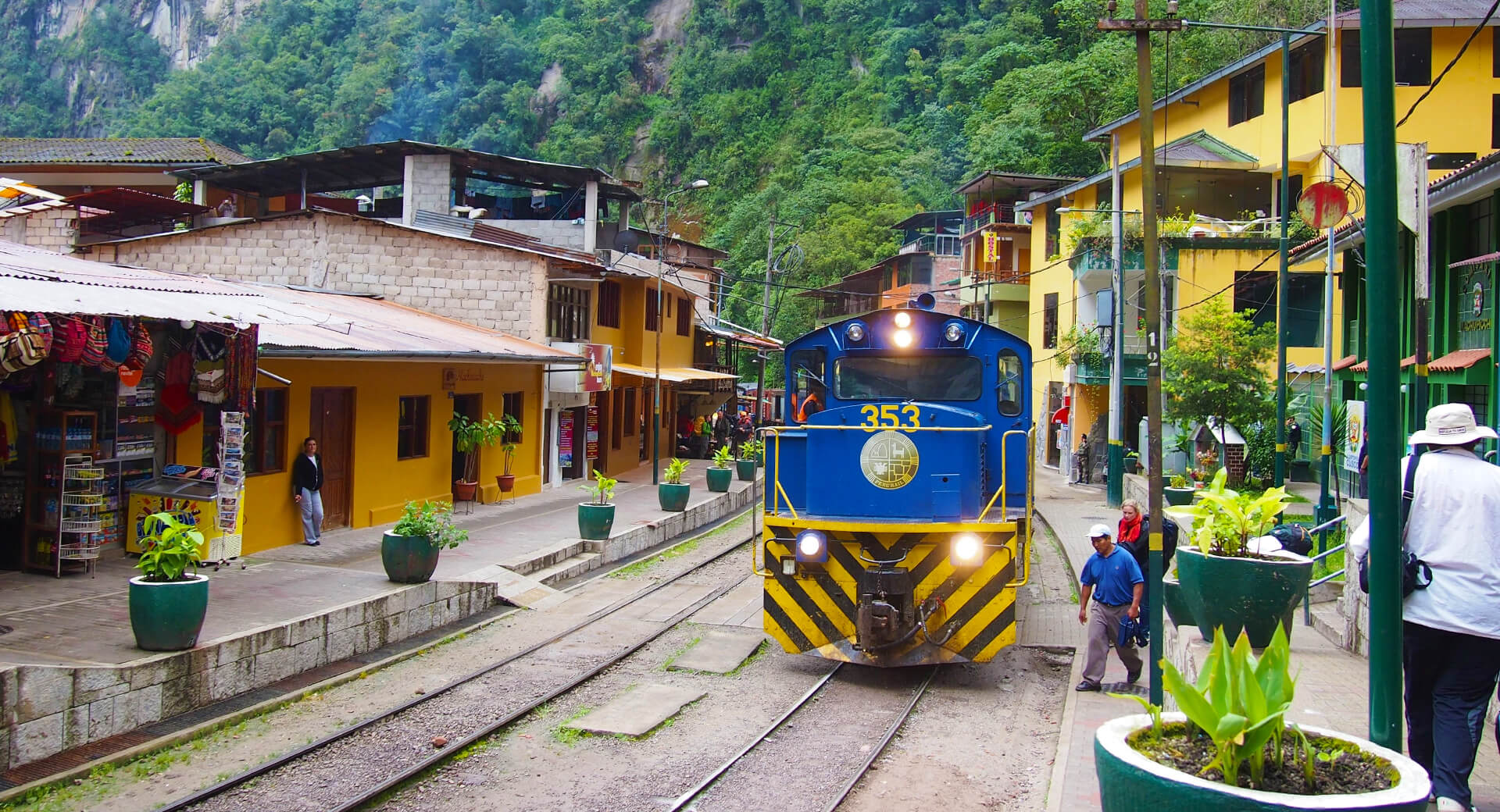
No matter when you visit, Machu Picchu never fails to inspire. The best time to visit Machu Picchu depends on your priorities — sunshine for trekking, lush greenery for photography, or quiet ruins in the mist.
At Andean Sky Travel, we believe every season brings its own magic. Let our team help you plan a journey that aligns with your travel goals, so your experience at Machu Picchu and the Sacred Valley is nothing short of extraordinary.
1. What’s the best time to visit Machu Picchu and the Sacred Valley?
The best time to visit Machu Picchu and the Sacred Valley is between April and October, during Peru’s dry season. These months offer clear skies, comfortable temperatures, and ideal trekking conditions for the Inca Trail, Salkantay Trek, and other popular routes.
2. What is Machu Picchu weather by month?
Understanding Machu Picchu weather by month helps you plan better. From April to October, expect mostly dry and sunny days — perfect for hiking and photography. November to March brings the rainy season, when the landscape turns lush and green, but rain showers are common.
3. Can you visit Machu Picchu during the rainy season?
Yes, you can visit Machu Picchu any time of year. The site remains open even during the rainy season (November–March). Although rain is frequent, this can be one of the best times to visit Machu Picchu if you prefer fewer crowds and a more tranquil atmosphere.
4. When are the peak travel seasons in Peru for visiting Machu Picchu?
The peak travel season for Machu Picchu is June through August, when the weather is dry and stable. These are also the busiest months, especially around Cusco and the Sacred Valley. To avoid crowds, consider the shoulder months — April–May or September–October — often called the best times to visit Machu Picchu.
5. What’s the best month for photography at Machu Picchu?
For photographers, the best time to visit Machu Picchu is in April, May, September, or October. During these months, you’ll find clear morning light, green valleys, and soft afternoon shadows — perfect conditions for capturing the citadel and surrounding Andes.
6. What are Peru’s main travel seasons, and how do they affect visiting Machu Picchu?
Peru has two main travel seasons — the dry season (April–October) and the wet season (November–March). The dry season is generally the best time to visit Machu Picchu, while the wet season provides lush scenery and fewer visitors. Both offer unique experiences for travelers.
7. Can I visit both Machu Picchu and the Sacred Valley in one trip?
Absolutely! Many travelers plan their itineraries so they explore the Sacred Valley first to acclimatize, then continue to Machu Picchu. Visiting both during the best time of year (April–October) provides pleasant weather and ideal conditions for sightseeing, hiking, and cultural exploration.
8. Is it worth visiting Machu Picchu in the off-season?
Yes, the off-season (November–March) can be one of the best times to visit Machu Picchu if you prefer fewer crowds and greener landscapes. While rain is more frequent, you’ll enjoy lower prices and a peaceful atmosphere at the ruins and in the Sacred Valley.
9. What should I pack if I visit Machu Picchu during the rainy season?
If you plan your Machu Picchu trip during the rainy months, pack a light waterproof jacket, poncho, quick-dry clothing, and sturdy footwear. Even during the wettest periods, temperatures remain mild, and most days still have sunny breaks for exploration.
10. How far in advance should I plan for the best time to visit Machu Picchu?
For the best time to visit Machu Picchu, plan at least three to six months ahead, especially if you want to hike the Inca Trail or stay overnight in the Sacred Valley. Advance planning ensures ticket availability, train reservations, and comfortable accommodations during Peru’s peak travel seasons.